All Categories
Featured
Table of Contents
Our vendor-neutral technique ensures that your cloud platform choice aligns with your architecture, spending plan, compliance, and future objectives. Criteria AWS Azure Google Cloud Best For Broad-scale business requires Microsoft-centric companies AI/ML and data-heavy work Strengths Largest service variety & international protection Strong hybrid cloud & MS tool combination Leading in Kubernetes & analytics AI/ML SageMaker, Rekognition Azure ML, Cognitive Providers Vertex AI, BigQuery ML Rates Pay-as-you-go, scheduled, spot Hybrid benefits, enterprise deals Sustained-use discounts Dev Tools AWS Dev Tools, CLI, SDKs Azure DevOps, GitHub Cloud Build, Functions, SDK Hybrid Assistance Stations, VMware on AWS Azure Arc, Stack Anthos for multi-cloud Security Advanced IAM, compliance-ready Identity-focused security Zero-trust by default Cloud improvement can result in cost savings, but only with the ideal controls.
Cloud Improvement Technique What Does It Do? Usage-Based Billing Models Use on-demand rates to line up expenses with real-time consumption.
CI/CD Pipeline Performance Automate testing and release to reduce environment waste and idle costs. Reserved Circumstances Lock in long-term work at affordable rates for predictable cost savings.
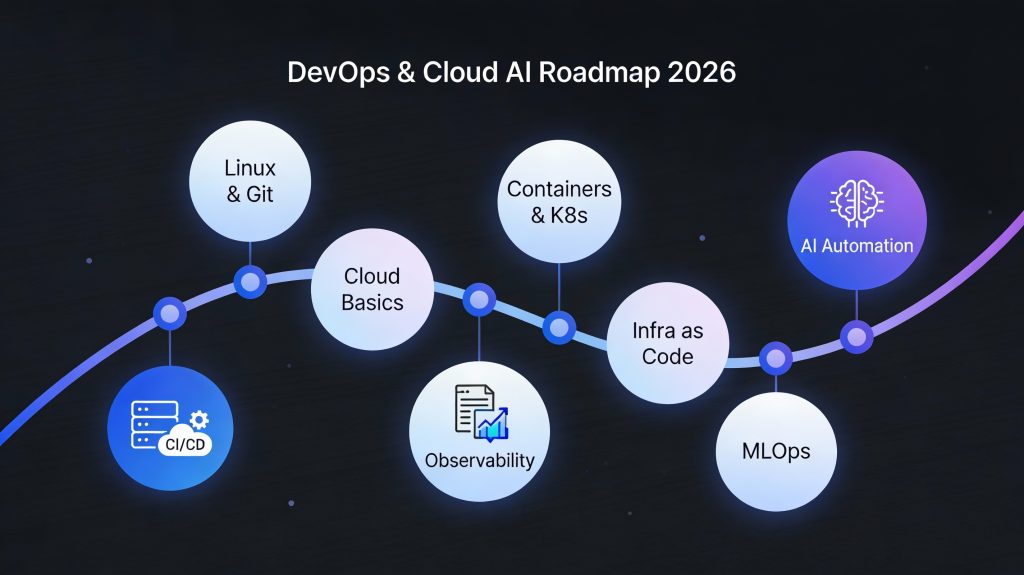
Mapping the 2026 Cloud and Modern Roadmap
The principle of cloud computing, or the meaning of cloud, indicates modern-day IT technology utilized to process and store information not on computer system disks or regional servers however in virtual space, creating a cloud environment. Cloud computing works by transferring the provision of IT services (information, software or calculating power) to external servers.
In today's quickly progressing technological landscape, companies are continuously looking for ingenious solutions to streamline their operations, improve productivity, and gain an one-upmanship. Among the most pivotal improvements recently has been the adoption of cloud options. This paradigm shift has transformed the method organizations handle their data, applications, and resources.
Traditional on-premise solutions typically have a hard time to keep up with the ever-changing demands of services. Cloud services, on the other hand, deal unrivaled scalability. Whether your business experiences an unexpected surge in need or requires extra resources for a brand-new job, cloud services can promptly and perfectly adjust to your needs.

Key Tips for Navigating the Future of Tech
Welcoming cloud options gets rid of the need for significant in advance financial investments in physical hardware and facilities. Moreover, you can avoid the ongoing costs of upkeep, upgrades, and security that come with on-premise solutions. Cloud providers usually provide a pay-as-you-go model, permitting you to optimize your costs and allocate resources where they are needed most.
Reliable cloud service providers invest greatly in advanced security protocols, encryption innovations, and compliance certifications. Cloud options enable real-time collaboration on documents, jobs, and applications from anywhere with an internet connection.
In case of a natural catastrophe, hardware failure, or other unanticipated situations, cloud services use robust disaster recovery and service connection techniques. With information kept in geographically redundant data centers, you can quickly recuperate critical information and applications, making sure minimal downtime and interruption to your operations. Cloud services supply a fertile ground for innovation.
Conclusion The adoption of cloud options represents a critical moment in the evolution of contemporary organization operations. By harnessing the power of the cloud, organizations can future-proof their operations and embark on a transformative journey towards sustainable growth and success.
Leading the Synergy of AI and Cloud Architecture
It carefully catalogs your IT infrastructure, demystifying intricate application relationships and dependences. Partner with Hexaware for cloud migration that aligns with your spending plan without compromising efficacy. Through strategic cloud-native applications, custom-made resource adjustments, and intelligent auto-scaling, we offer a cost-effective roadmap for your cloud journey.
Elevate your modernization journey with Hexaware's unrivaled competence in PaaS, CaaS, and FaaS environments. We assist you through re-platforming, refactoring, and rearchitecting, guaranteeing you extract maximum value from your cloud improvement. Hexaware mitigates your modernization stress and anxieties with automation-backed, framework-driven services, decreasing possible risks and ensuring an effective modernization journey, causing tangible TCO savings.
The pandemic brought about a sea modification in the method organizations ran. The work-from-anywhere (WFA) experiment demanded by the pandemic offered extraordinary expense savings and continues to do so.
Digitalization goes one step even more and focuses on improving business procedures utilizing digital workflows. Digital Improvement encompasses both digitization and digitalization along with service and individuals aspects.
Tracking the Business Impact of AI-Driven Cloud Transformation
Conventional IT tasks require heavy capital financial investments. Setting-up on-premise infrastructure also involves hiring IT resources which is an additional functional expenditure. Lots of enterprises still consider digital investments as operational costs rather than transformative initiatives. Because it is challenging to forecast ROI for large digital jobs, magnate might be averse to taking the plunge.
Why Your 2026 Blueprint Needs a Zero-Trust StructureTransformational jobs might need changes in the business models, workplace dynamics, and operating treatments. A perception that potential IT services may not offer the required versatility is among the reasons digital change efforts stop working to take off. Cloud technologies are ending up being the bedrock of transformation techniques for contemporary companies.
As companies grow, they do not require to fret about setting up additional hardware infrastructure and hiring IT resources to broaden their digital abilities. Cloud platforms are typically offered on a monthly or annual per-user membership basis. Enterprises can buy extra licenses as their user base grows. The cloud provider handles the servers, network components, and application updates in the background.
IT groups can instantly increase or reduce storage and computing capabilities based on business needs. You can likewise set up and personalize these workflows for policies and designs specific to your service.
Navigating the 2026 Cloud and Modern Roadmap
Company users can typically manage these by themselves. Per a recent Deloitte Insights study of more than 500 IT leaders, 58% of participants ranked information security as the No. 1 or 2 factor for moving to the cloud. Modern cloud solutions utilize the most recent security procedures at every layer, from hardware and operating systems to application and user levels.

Latest Posts
How AI and Cloud Integration Is Crucial
Emerging Technology Trends in Modern Integration
Mastering the Intersection of Artificial Intelligence and Digital Platforms